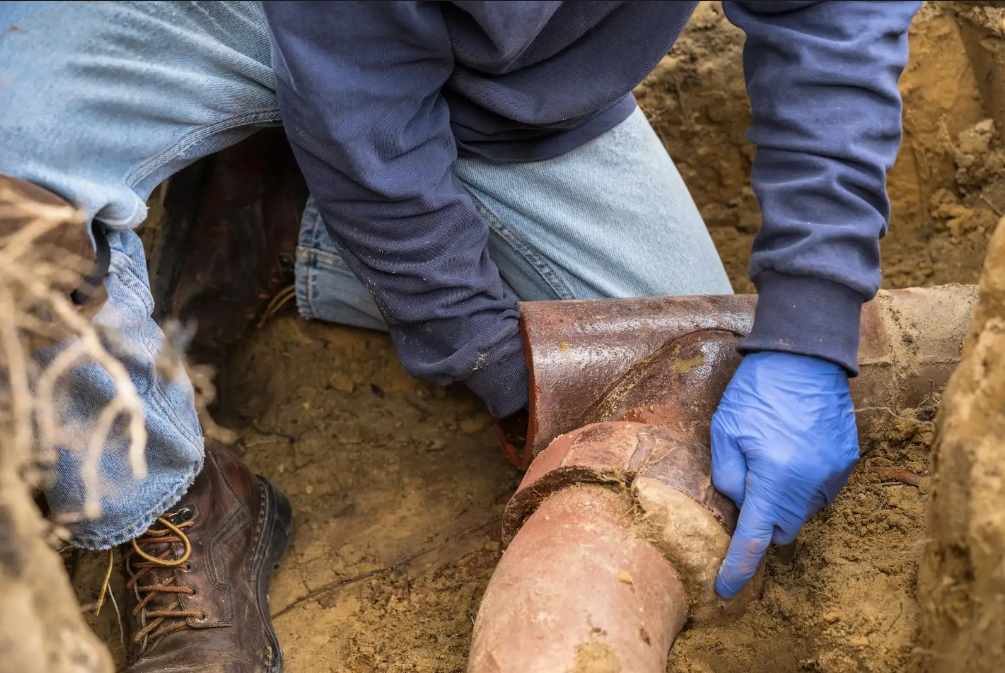
A damaged sewer line can lead to costly repairs and health hazards if not addressed promptly. While these issues are often hidden underground, certain signs can indicate trouble. Being aware of these warning signs can save homeowners from more severe problems in the future. Below are ten signs that you may have a damaged sewer line, along with steps to take if you notice any of these issues.
1. Frequent Drain Backups
If your sinks, toilets, or showers are frequently backing up, it may be more than a simple clog. Persistent backups often indicate a blockage or break in your sewer line. These issues tend to affect multiple fixtures simultaneously, making them harder to address with typical plunging or drain-clearing methods. If left unresolved, these backups can lead to overflowing sewage, posing health hazards and damaging your home’s interior. Consider this a serious red flag that warrants immediate professional inspection.
2. Unpleasant Odors
A properly functioning sewer line should contain odors within the pipes. If you start noticing a foul smell in your home, yard, or basement, it could signal a crack or leak in the line. Sewer gases escaping through damaged pipes not only create an unpleasant environment but can also pose serious health risks over time. These odors might seem minor at first but often grow stronger as the problem worsens, making early detection and repair critical.
3. Unusual Lawn Patches
One odd benefit of a damaged sewer line is unusually lush patches of grass on your lawn. Leaking sewage acts as a fertilizer, causing grass to grow greener and faster in affected areas. However, this is more of a warning sign than a benefit. Over time, the leaking sewage can contaminate the soil, introduce harmful bacteria to your yard, and even seep into groundwater. These patches are often accompanied by soggy or overly soft ground, further pointing to a sewer line issue.
4. Sinkholes or Indentations in Your Yard
A leaking sewer line can wash away soil, leading to sinkholes or noticeable depressions in your yard. These indentations are more than an eyesore, they’re a potential danger to people and pets. A sinkhole indicates that a significant amount of soil has been displaced, which can destabilize nearby structures, including your home’s foundation. Addressing this issue quickly can prevent more extensive and costly damage.
5. Foundation Cracks
When a sewer line leaks near your home’s foundation, the escaping water can erode soil and cause the foundation to shift or crack. These cracks might start small but can expand over time, compromising the structural integrity of your home. This can lead to doors and windows sticking, uneven floors, and other costly structural issues. Identifying and repairing the sewer line leak early can save your foundation from extensive damage.
6. Gurgling Noises from Pipes
If you hear gurgling sounds when using your plumbing fixtures, it could be a sign of air trapped in the sewer line due to a blockage or damage. These sounds often indicate that wastewater is struggling to flow freely through the pipes. The problem may be due to debris buildup, tree root intrusion, or even a collapsed section of the line. Ignoring this sign can lead to more severe blockages and backups, so it’s important to address it quickly.
7. Water Pooling Around Drains or in the Yard
Pooling water is a major red flag for sewer line damage. Inside the home, you may notice water collecting around drains or toilets, which can signal a blockage or leak in the line. Outside, persistent puddles or wet spots in the yard, especially when there’s no recent rain, can indicate that sewage may be leaking underground. These pools not only cause inconvenience but can also lead to foul odors and attract pests, making professional repair essential.
8. Rodent and Pest Problems
A cracked sewer line can become an open invitation for rodents and insects. Rats and cockroaches are particularly skilled at navigating through damaged pipes and finding entry points into your home. Once inside, these pests can multiply quickly and become a significant nuisance. The presence of these unwanted visitors often points to sewer line damage, as they are attracted to the organic waste in leaking sewage.
9. Mold Growth
If sewer line damage leads to leaks in your walls or under your floors, it can create an ideal environment for mold to thrive. Mold growth is often accompanied by a musty smell and poses health risks such as allergies and respiratory issues. Small leaks can escalate into widespread mold infestations if left unchecked, so it’s important to promptly address the root cause, the sewer line damage.
10. Increased Water Bills
A sudden spike in your water bill without increased usage may point to a hidden leak, possibly in the sewer line. While most leaks won’t directly impact water consumption, certain issues like tree roots breaking into the line can cause water to flow continuously, increasing your bill. Monitoring your water usage and comparing it to past bills can help you catch this problem early.
Steps to Take If You Suspect Sewer Line Damage
If you notice one or more of these signs, it’s essential to act quickly to minimize damage:
- Schedule a Professional Inspection – Contact a licensed plumber to inspect your sewer line. They may use video cameras to identify the exact problem.
- Avoid Using Excess Water – Limit water usage until the issue is resolved to prevent further strain on the sewer line.
- Know Your Insurance Coverage – Check your homeowner’s insurance policy to see if sewer line repairs are covered.
- Consider Trenchless Repair Methods – Modern techniques like pipe bursting or relining can address sewer line issues with minimal disruption to your property.
- Invest in Regular Maintenance – Prevent future issues with periodic inspections and professional drain cleaning services.
FAQs About Sewer Line Damage
What causes sewer line damage?
Several factors can contribute to sewer line damage, including tree root intrusion, ground shifting, aging pipes, and clogs caused by non-flushable items.
Can I repair a sewer line myself?
DIY repairs are not recommended for sewer line issues. These problems often require specialized tools and expertise to fix properly and safely.
How much does it cost to repair a sewer line?
The cost varies depending on the extent of the damage and the repair method. Repairs can range from $1,000 for minor fixes to $25,000 or more for major replacements.
How can I prevent sewer line damage?
Preventive measures include avoiding flushing non-degradable items, scheduling routine maintenance, and planting trees away from sewer lines.
How long does a sewer line last?
The lifespan of a sewer line depends on the material. Clay pipes can last 50-60 years, while PVC pipes can last 100 years or more with proper maintenance.