When it comes to choosing a water heater for your home, the decision often boils down to two primary types: tankless water heaters versus storage tank water heaters. Each has its own set of advantages and disadvantages, and understanding these differences can help you make an informed choice that best suits your needs. In this post, we explore the key distinctions between these two types of water heaters.
Overview of Water Heater Types
Storage Tank Water Heaters
Storage tank water heaters, commonly known as conventional water heaters, are the most traditional and widely used option in many homes across the United States. They consist of a large tank that holds a specific volume of hot water—typically between 20 to 80 gallons—ready for use when needed.
Tankless Water Heaters
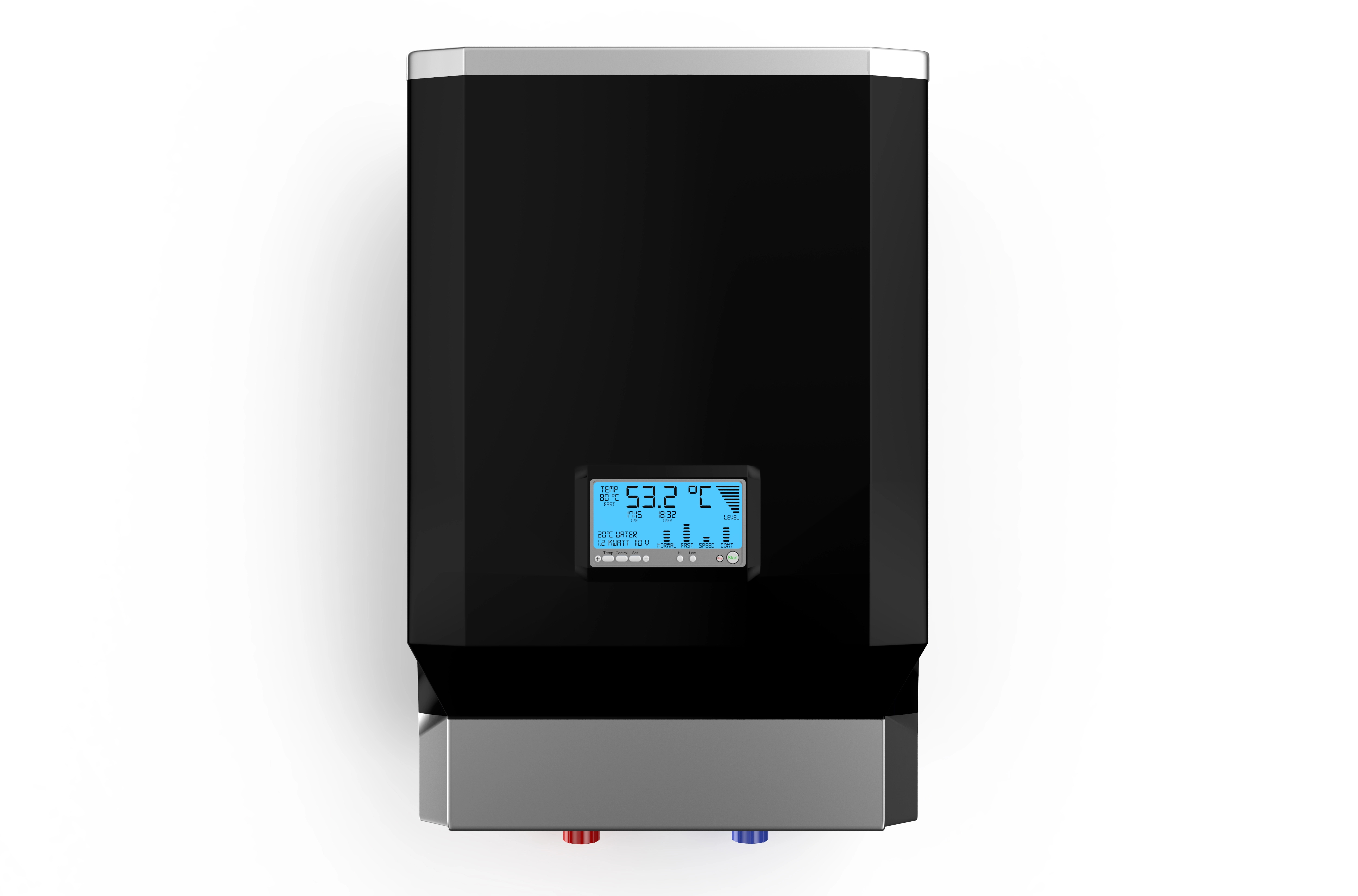
Tankless water heaters, also known as on-demand water heaters, heat water directly without the use of a storage tank. When you turn on the hot water tap, cold water travels through a pipe into the unit, where it is heated either by gas or electricity. This means you have a constant supply of hot water whenever you need it.
Key Differences Between Tankless and Storage Tank Water Heaters
1. Heating Method
Storage Tank Water Heaters: These units maintain a reservoir of hot water, continuously heating it to ensure it’s available for use. This means they consume energy even when no hot water is being used, leading to standby heat loss.
Tankless Water Heaters: These units heat water on demand. When a faucet is turned on, cold water flows through the unit, heating it instantly. This results in no standby heat loss, making them more energy-efficient.
2. Hot Water Supply
Storage Tank Water Heaters: The availability of hot water is limited to the size of the tank. Once the hot water supply is depleted, you must wait for the tank to refill and reheat, which can take time.
Tankless Water Heaters: These systems provide an endless supply of hot water, making them ideal for households with high hot water demands. You can run multiple showers or appliances simultaneously without running out of hot water.
3. Energy Efficiency
Storage Tank Water Heaters: The energy efficiency of these units typically ranges from 60% to 80%, depending on the model and insulation. Because they maintain a reservoir of hot water, it can lead to higher energy bills.
Tankless Water Heaters: These systems can achieve energy efficiency ratings of 85% to 95%. The U.S. Department of Energy estimates that homeowners can save 24% to 34% on energy costs compared to traditional storage tank models, particularly for homes that use 41 gallons or less of hot water daily.
4. Space Requirements
Storage Tank Water Heaters: These units require significant space for installation due to their size. They often need to be placed in a utility room, garage or basement.
Tankless Water Heaters: Their compact size allows for more flexible installation options, including mounting on walls or in smaller spaces, which can free up valuable square footage in your home.
5. Lifespan
Storage Tank Water Heaters: The average lifespan of a conventional water heater is about 10 to 15 years, depending on usage and maintenance.
Tankless Water Heaters: These units typically last longer, often 20 years or more, making them a more durable investment over time.
Average Pricing
Storage Tank Water Heaters
The cost of a storage tank water heater can vary significantly based on size and energy source:
Electric Models: Average pricing ranges from $300 to $1,000, with installation costs can add another $200 to $800.
Gas Models: Typically, prices range from $400 to $1,500, with installation costs also between $200 and $800.
Tankless Water Heaters
Tankless water heaters are generally more expensive upfront but can offer long-term savings through energy efficiency:
Electric Models: Average prices range from $500 to $1,500, with installation costs adding $300 to $700.
Gas Models: Prices usually range from $1,000 to $3,000, with installation costs ranging from $300 to $800.
Benefits of Storage Tank Water Heaters
1. Lower Initial Costs: Storage tank water heaters have a lower purchase price compared to tankless models.
2. Simplicity: They are straightforward to install and operate, making them a reliable choice for many homeowners.
3. Availability of Hot Water: Once heated, the water is readily available for immediate use.
Cons of Storage Tank Water Heaters
1. Standby Heat Loss: These units waste energy maintaining hot water that may not be used, leading to higher utility bills.
2. Limited Supply: Once the hot water is depleted, you must wait for the tank to refill and reheat.
3. Space Requirements: They require a significant amount of space, which can be a drawback in smaller homes.
Benefits of Tankless Water Heaters
1. Energy Efficiency: Tankless models reduce energy consumption since they only heat water when needed, resulting in lower utility bills.
2. Endless Hot Water: Perfect for larger families or homes with multiple bathrooms, providing a constant supply of hot water.
3. Space-Saving Design: Their compact size allows for more versatile installation options.
4. Longevity: Longer lifespan compared to storage tank models, leading to potentially lower replacement costs over time.
Cons of Tankless Water Heaters
1. Higher Initial Costs: The upfront cost of tankless water heaters can be significantly higher than storage tank models.
2. Installation Complexity: These units may require modifications to your existing plumbing and gas lines, increasing installation costs and complexity.
3. Limited Flow Rate: Although they provide endless hot water, the flow rate may not be sufficient for simultaneous use of multiple outlets, depending on the model.
Making the Right Choice for Your Home
When deciding between a tankless water heater and a storage tank water heater, consider your household’s hot water usage patterns, budget, and available space.
For Larger Families: If you have a high demand for hot water (multiple showers, laundry, and dishes running at the same time), a tankless water heater may be the best choice despite the higher upfront costs.
For Smaller Households: If you typically use less hot water and prefer a lower initial investment, a storage tank water heater might be more suitable.
Energy Efficiency Concerns: If reducing energy bills is a priority, the long-term savings offered by tankless water heaters make them an attractive option.
Consult Haltex Plumbing For Your Water Heating
Choosing between a tankless and storage tank water heater ultimately depends on your specific needs, preferences, and budget. While storage tank heaters offer lower initial costs and simplicity, tankless models provide energy efficiency and an endless supply of hot water. By weighing the benefits and drawbacks of each system, you can make an informed decision that will ensure your household has reliable access to hot water for years to come.
Consider consulting with a plumbing professional to evaluate your home’s unique requirements and determine which option is best suited for your needs. Contact Haltex Plumbing today to learn more.