Plumbing issues are an inevitable part of homeownership. From dripping faucets to leaks, plumbing challenges come in all shapes and sizes, some of which we feel comfortable handling ourselves. After all, there’s no shortage of online resources, how-to videos, and DIY plumbing tips that can help guide you through small fixes. However, not every plumbing project is suitable for the do-it-yourself approach. Certain jobs demand the expertise, experience, and tools of a professional plumber to avoid costly mistakes or potential damage to your home.
In this post, we cover the key factors homeowners should consider when deciding between tackling a plumbing repair themselves or calling in the pros. We’ll cover common DIY-friendly tasks as well as the potential risks of taking on more complex plumbing projects without proper training.
Common DIY Plumbing Repairs
While professional plumbers undergo years of training and certification to handle complex tasks, there are a handful of plumbing issues that are straightforward enough for most homeowners. Let’s go over some of the most common repairs you can tackle yourself with basic tools, a little patience, and the right guidance.
Fixing a Leaky Faucet
A dripping faucet might be one of the most annoying sounds in your home, but it’s also one of the easiest fixes. In most cases, a leaky faucet is caused by a worn-out washer or O-ring within the fixture. Basic tools like a wrench and screwdriver can usually get the job done, and replacement washers are inexpensive at any hardware store. As long as you shut off the water supply first, replacing these small components is generally safe and straightforward.
Replacing Showerheads or Faucet Aerators
Replacing a showerhead or faucet aerator is a simple upgrade that can reduce water usage or improve water flow. This task typically involves unscrewing the existing fixture and replacing it with a new one. This is something any homeowner can do with minimal guidance. Just be sure to apply a little plumber’s tape on the threads to prevent leaks.
Toilet Flapper Replacement
If your toilet seems to run constantly, it could be due to a worn-out flapper. Toilet flappers are inexpensive and can be swapped out in a matter of minutes. It’s as simple as turning off the water supply, removing the old flapper, and attaching the new one. You’ll save money on water bills and eliminate that constant running noise.
Signs You May Need a Professional Plumber
Although some plumbing jobs are manageable for the average homeowner, there are others that should be left to the pros. Here’s a closer look at some signs that indicate it’s time to call a licensed plumber.
Persistent Low Water Pressure
A sudden drop in water pressure can point to a variety of issues, from mineral buildup in pipes to leaks, or even more serious problems like faulty pipe connections. Trying to troubleshoot low water pressure on your own could lead to misdiagnosis or further complications. Plumbing professionals have specialized tools to accurately identify and fix these problems without guesswork.
Sewage Smells or Gurgling Drains
Sewer line issues are not only unpleasant but also potentially dangerous. If you notice foul odors, slow drainage, or bubbling sounds when flushing the toilet, these could be signs of a blocked or damaged sewer line. DIY fixes may worsen the problem, potentially leading to sewage backups in your home. Plumbers have specialized equipment, such as cameras, to diagnose sewer problems and clear blockages efficiently.
Frequent Drain Clogs
A single clogged drain is usually manageable, but if clogs occur frequently in different areas of your home, it could indicate an issue with the main sewer line or serious buildup within the pipes. Attempting to fix recurrent clogs with chemical drain cleaners can corrode your pipes over time, leading to costly repairs. Professional plumbers can identify the root cause and use powerful augers or hydro-jetting tools to clear stubborn obstructions safely.
Unexplainable Water Leaks
Not all leaks are visible, and sometimes water leaks can go undetected within walls, floors, or ceilings. If you notice unexplained water stains, a sudden spike in your water bill, or dampness in unexpected areas, a hidden leak may be to blame. DIY attempts to fix these types of leaks often end up causing structural damage. Licensed plumbers have leak detection tools and experience to find the exact location of hidden leaks and repair them without unnecessary damage to your home.
Pipe Replacement or Repair
Pipe repairs are more complicated than they seem and often require special tools and materials, along with knowledge of local plumbing codes. Whether it’s replacing a section of damaged pipe or repairing corroded piping, any work involving your home’s main water or sewer lines should be handled by a professional. Incorrectly installed pipes can lead to leaks, water pressure issues, and costly future repairs.
Potential Risks of DIY Plumbing
Opting for DIY plumbing might seem like a cost-effective approach, but there are certain risks and potential costs involved that many homeowners overlook.
Risk of Water Damage
Even a small mistake, such as failing to tighten a fitting properly, can result in significant water damage. What starts as a small drip can escalate into a major leak, causing damage to flooring, walls, and other areas of your home. Professional plumbers are trained to complete repairs accurately the first time, preventing costly water damage down the road.
Potential Health Hazards
Certain plumbing issues can pose health risks if not handled correctly. Sewer backups, for example, can expose your home to harmful bacteria and gases. Professionals have the right equipment, including personal protective gear, to safely manage these situations and prevent health hazards.
Violation of Local Codes
Plumbing work must often meet local building codes, especially when it involves pipe replacement or modifications to your home’s water or sewer lines. Professional plumbers are familiar with these codes and ensure their work complies, so you won’t face issues if you plan to sell your home or if an inspection is required.
When Calling a Professional Plumber Actually Saves Money
While DIY repairs can sometimes save you money, they can also lead to expensive mistakes. Here are a few scenarios where hiring a professional plumber will likely cost less in the long run.
Complex Installations or Upgrades
Upgrading to a tankless water heater, installing a water filtration system, or setting up a new plumbing fixture all require specific skills and tools. Plumbers know how to handle these installations to ensure they function properly and meet safety standards.
Main Water or Sewer Line Issues
Attempting to work on main lines without proper tools or experience can lead to substantial property damage, sewage leaks, and contamination risks. Professionals not only have the expertise to perform the repairs correctly but also carry liability insurance to cover any damage if something goes wrong.
Inconsistent Water Temperature
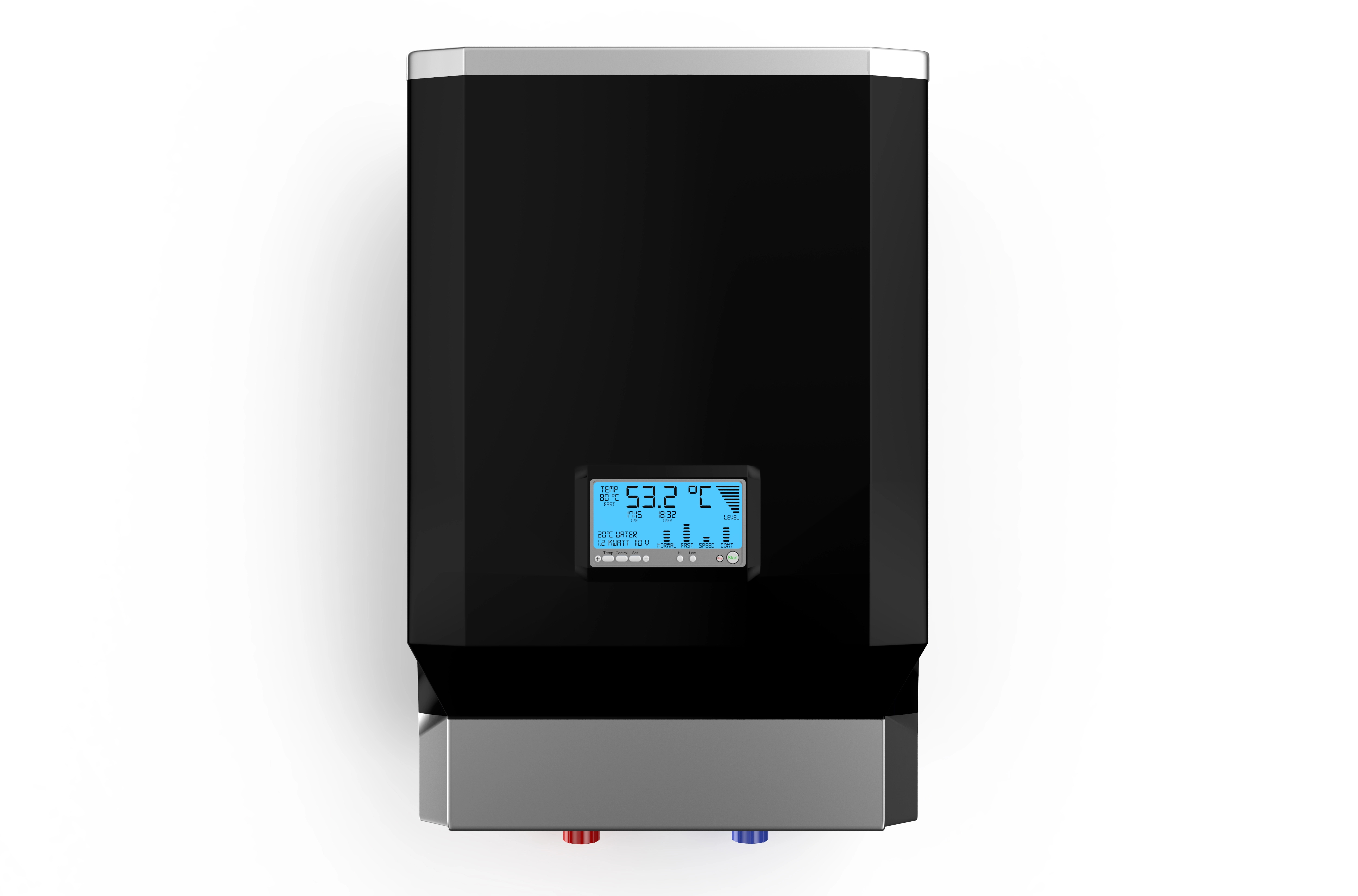
If you’re experiencing fluctuating water temperatures or unusual noises from your water heater, it’s time to consult an expert. DIY fixes might temporarily address the issue but often fail to resolve underlying problems with heating elements or thermostat settings.