When you’re buying a new home in Denton County, it’s easy to get wrapped up in the excitement of viewing properties, envisioning your new life there, and planning decor changes. However, one important aspect that many homebuyers overlook is the condition of the plumbing. Plumbing systems can have serious issues that might not be immediately visible but can lead to costly repairs down the line. In this blog post, we discuss why a plumbing inspection should be completed in your home-buying process, what a typical inspection covers, and the potential benefits of knowing the condition of a home’s plumbing system before signing on the dotted line.
Identify Potential Problems Early On
A plumbing inspection can uncover hidden issues that could turn into major problems down the line. Even if the home appears well-maintained on the surface, there might be underlying problems that only a professional can identify. Common issues include leaks, corrosion, outdated or improper piping, faulty water heaters, and sewer line blockages.
By identifying these issues early, you can make a more informed decision about the home and avoid costly surprises after you move in. If the inspection uncovers problems, you may be able to negotiate the sale price or request repairs as part of the sale agreement, saving you from future expenses.
Prevent Unexpected Repair Costs
Plumbing repairs can be one of the most expensive issues to handle in a home, especially if you’re dealing with serious problems like water damage, sewer line issues, or slab leaks. While smaller repairs might cost a few hundred dollars, major repairs can quickly escalate into the thousands of dollars.
Knowing the condition of the plumbing before purchasing a home can help you budget accordingly. If significant repairs are needed, it’s better to know ahead of time so you can adjust your offer or prepare for the additional cost. In some cases, a plumbing inspection might reveal severe problems that make the property not worth the investment.
Check for Proper Installation and Code Compliance
Older homes may have plumbing that doesn’t meet current building codes, which could lead to issues with homeowners’ insurance and even safety risks. Plumbing code violations may include incorrect pipe materials, improperly sized pipes, or water heaters installed incorrectly.
A plumbing inspection can confirm that everything is installed correctly and in compliance with local regulations, reducing the risk of malfunctions or dangerous situations. Knowing that the plumbing system meets code requirements provides peace of mind, ensuring you won’t have to make immediate upgrades to bring the home up to code.
Evaluate the Condition of Pipes
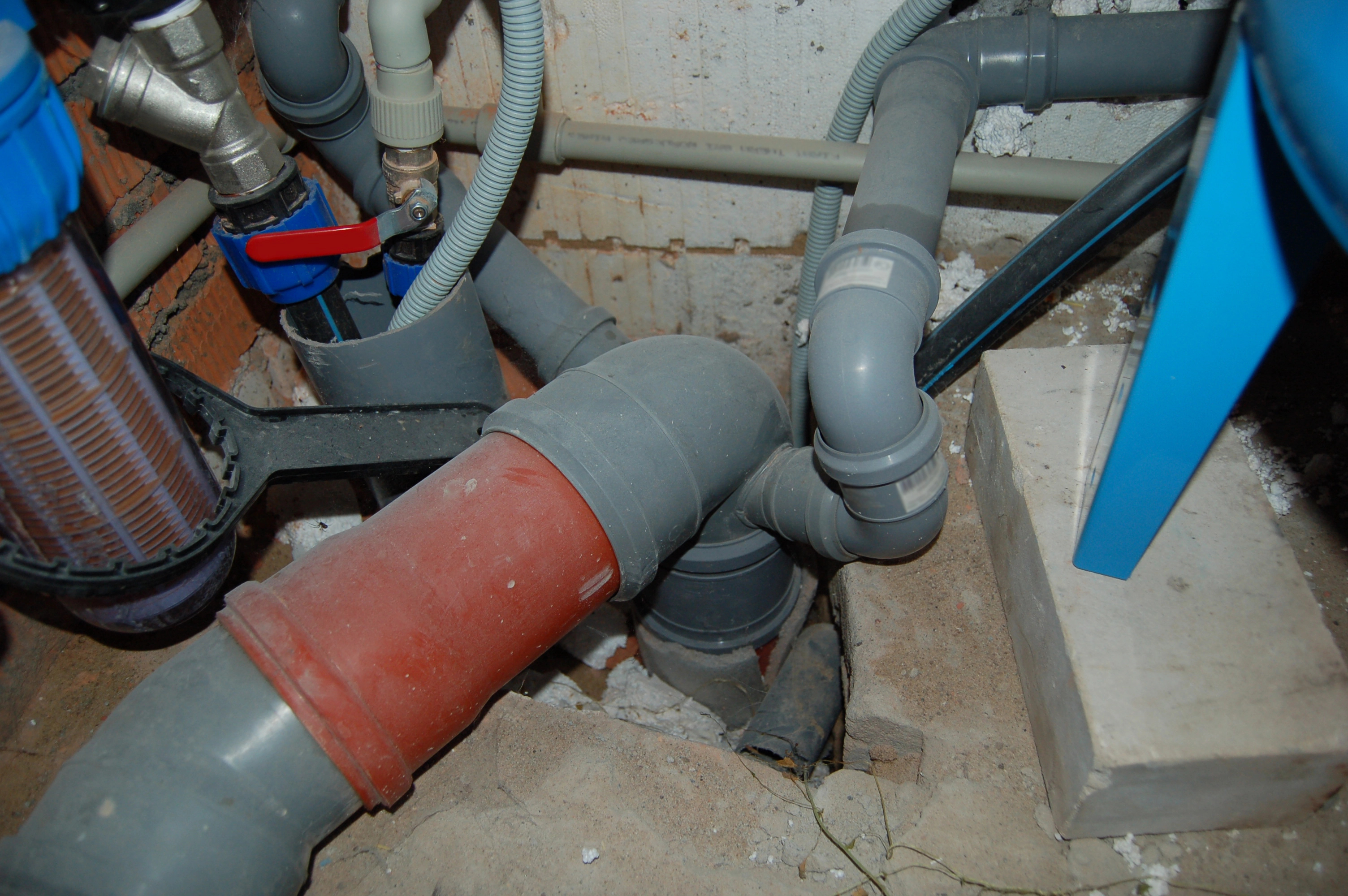
Having structurally sound water and sewer pipes are very important in any home. However, they can deteriorate over time, especially in older homes or those with galvanized or polybutylene pipes. An inspection will help determine the age and condition of the pipes, so you know whether pipes are in good shape or may need replacement soon.
Older pipe materials, like galvanized steel, are more prone to corrosion and can affect water quality, flow, and even safety. Some old pipes can corrode or leach materials into the water supply, which could impact the water quality and potentially lead to health concerns.
One of the most important parts of a plumbing inspection is checking the sewer line. Problems with the sewer line can lead to unpleasant odors, slow drains, and even sewage backups, all of which are costly and challenging to fix. Common sewer line issues include blockages, root intrusion, and pipe collapses.
A professional plumber can use a camera inspection to assess the sewer line’s condition, identifying any potential issues and giving you a clear understanding of what to expect. Sewer line repairs or replacements can be one of the most expensive plumbing issues, often costing thousands of dollars.
Issues with Water Pressure and Flow
Poor water pressure or irregular flow can be a sign of clogged pipes, valve issues, or other underlying problems. These issues can make daily tasks like showering or washing dishes more challenging and might indicate a larger plumbing issue.
A plumbing inspection will assess the water pressure throughout the house. Poor water pressure might be a sign of something more severe, like pipe blockages or corrosion, which can be addressed before they become major issues.
Assess the Water Heater Condition
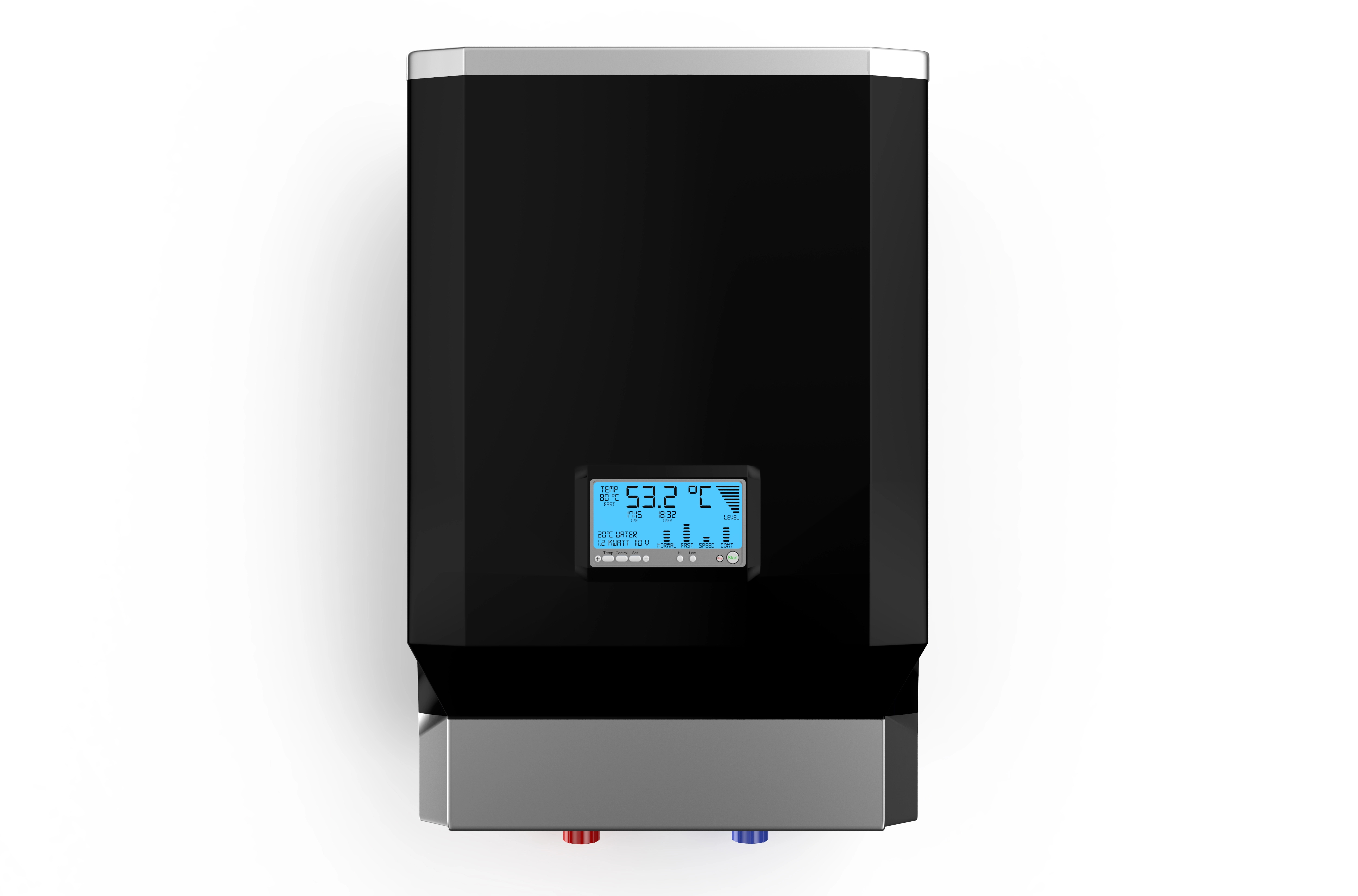
A water heater provides hot water for showers, laundry and cooking. However, most water heaters have a limited lifespan, and older units may need replacement. An inspection will assess the water heater’s age, capacity, and overall functionality.
By having the water heater inspected, you’ll ensure it’s functioning correctly and isn’t at risk of breaking down shortly after you move in. Older water heaters are often less energy-efficient, leading to higher utility bills. An inspection may reveal whether an upgrade to a newer, energy-efficient model may be needed.
Signs of Water Damage
Water damage can be a serious issue, leading to structural concerns, mold growth, and other major issues. An experienced plumber can inspect for signs of past water damage that may indicate hidden leaks or poor plumbing maintenance. Water stains, mold growth, and warped materials may be evidence of leaks or drainage issues.
Exterior Plumbing and Drainage Systems
An often-overlooked area during home inspections is exterior plumbing, including hose bibs, yard drains, and irrigation systems. Ensuring these components are in good working condition is highly important, particularly if you have plans for gardening or outdoor activities.
Exterior plumbing that’s poorly maintained can lead to costly leaks, flooding, and even foundation damage.If you’re considering investing in landscaping, knowing the condition of the outdoor plumbing will ensure your irrigation and drainage needs are met without surprises.
FAQs
How much does a plumbing inspection cost in Denton County?
A plumbing inspection on average typically costs between $200 and $500, depending on the home’s size and the complexity of the plumbing system.
What does a plumbing inspection cover?
A standard inspection will check for leaks, pipe condition, water pressure, water heater function, and sewer line condition, among other things.
How often should plumbing inspections be done?
It’s generally recommended to have an inspection every two years or whenever you buy a new home, even if it’s new construction.
Can I inspect the plumbing system myself?
While you can check for visible leaks and water pressure issues, only a licensed plumber has the tools and expertise to perform a thorough inspection.
What if a plumbing inspection finds issues?
If issues are found, you can negotiate with the seller to repair them or adjust the sale price to account for the cost of repairs.