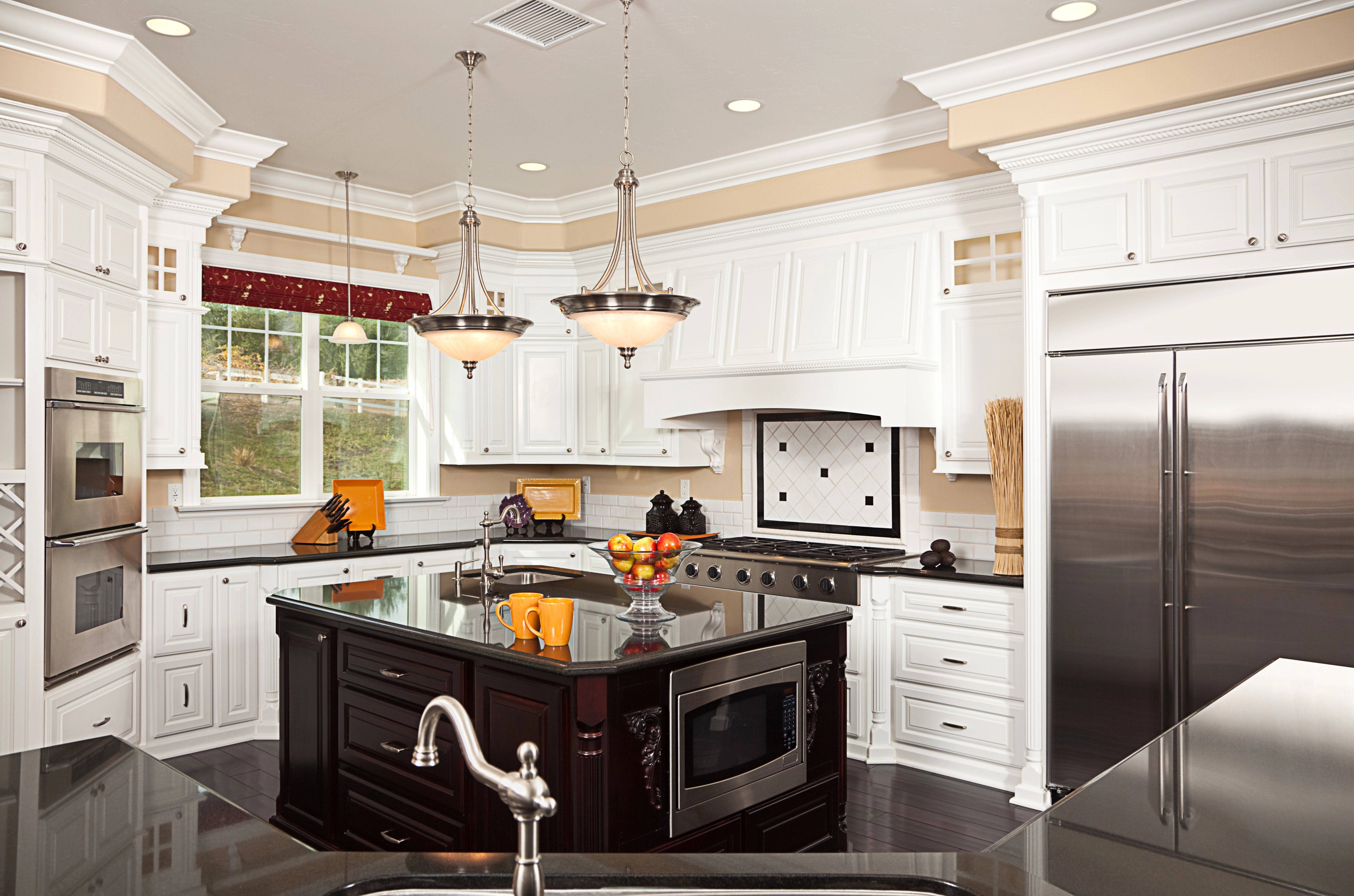
Planning a kitchen remodel can be exciting, but it’s not just about picking cabinets or choosing countertops. The plumbing behind your walls plays a major role in how your kitchen will function. Whether you’re doing a full renovation or just moving a sink, ignoring key plumbing aspects can lead to delays and higher costs. If you’re remodeling your kitchen in Denton, Texas or the nearby Dallas-Fort Worth area, knowing how to handle plumbing changes early on can save a lot of trouble.
We’ve gathered practical tips to help homeowners avoid some of the most common pitfalls. Below are ten things every homeowner should know before starting that kitchen upgrade.
1. Plan plumbing layout before any demolition
Before knocking down walls or removing old appliances, you’ll want to map out your new plumbing layout with a licensed plumber. Even minor changes like moving your sink or changing where your dishwasher sits can require pipe rerouting. Denton building codes may require inspections and permits for these kinds of changes, especially if they involve supply lines, drainpipes, or gas lines.
Planning early prevents surprises later—like realizing your new cabinetry blocks access to shut-off valves or drainage lines. Good planning saves time, prevents rework, and helps keep your project on budget.
2. Inspect and replace aging pipes
Many homes in Denton, especially those built before 1980, still have older galvanized steel or cast iron plumbing. These materials break down over time, leading to rust, leaks, and poor water quality. Kitchen remodels are the best time to inspect and replace those pipes, as you already have access to the walls and subfloors.
Modern piping options like copper and PEX are longer-lasting and require less maintenance. Replacing old lines now means fewer plumbing issues in the years to come—and you won’t have to tear apart your beautiful new kitchen later if something fails.
3. Deep sinks require drain adjustments
Many homeowners upgrading their kitchen go for deeper sinks. They’re more functional for large pots and dishwashing—but they can also interfere with the existing drain line location.
A deeper sink lowers the drain outlet, and your drainpipe must still have the right pitch to let wastewater flow correctly. If the pipe sits too high on the wall or lacks slope, water will drain slowly or back up. Fixing this during the remodel is quick for a professional plumber. Fixing it after the cabinets and countertops are installed? Not so easy.
4. Install shut-off valves under the sink
If your kitchen doesn’t already have shut-off valves under the sink, a remodel is the best time to add them. These valves let you control the water going to the faucet or dishwasher without turning off the water to the whole house.
This makes future repairs or upgrades quicker and less disruptive. In older homes across Denton County, this feature is often missing—but your plumbing services provider can install high-quality shut-off valves while rerouting or upgrading your plumbing.
5. Keep the dishwasher close to the sink
While it’s tempting to completely rearrange your kitchen layout, certain plumbing realities can limit your options. The dishwasher, for example, should always be installed close to the sink. Dishwashers share the sink’s hot water supply and drainage line, so moving it too far away complicates the plumbing and may require a pump or additional venting. Try to keep the dishwasher within 10 to 12 feet of the sink to make installation simple and avoid drainage problems.
6. Rerouting gas lines requires a permit
One of the most common upgrades in a kitchen remodeling is switching to a gas stove or moving the location of an existing one. This can significantly improve cooking performance and energy efficiency—but it also introduces serious safety and code compliance considerations. Any time you move a gas appliance, you’re likely going to need to reroute or extend the gas line, which isn’t as simple as moving a water line.
In most cases, rerouting gas lines requires a permit from the city of Denton or your local municipality. That’s because gas line work is considered high-risk and must be done to strict safety standards. Without a permit, you may fail inspection, delay your remodel, or risk fines—and worse, unsafe gas line installations can lead to gas leaks, explosions, or carbon monoxide poisoning.
7. Make sure sink fixtures are properly vented
Every kitchen sink needs ventilation so air can flow into the pipes and wastewater can flow out without gurgling or backing up. If you’re moving your sink or adding a new island sink, make sure proper venting is included in the design.
An air admittance valve (AAV) can sometimes be used if running a new vent pipe to the roof is not feasible. But AAVs have specific installation requirements and may not be allowed in all cities. Denton generally allows them, but placement and access must follow code. Poor venting leads to slow drains and foul smells, which are hard to fix after the kitchen is finished.
8. Test and adjust water pressure
When installing new faucets or appliances, checking your home’s water pressure is a smart step. Low pressure might mean clogged pipes or an undersized supply line. High pressure, on the other hand, can wear out fixtures and cause leaks.
If your pressure is higher than 80 psi, a pressure-reducing valve may be required by code. Testing and adjusting the pressure now can help your faucet, dishwasher, and refrigerator last longer.
9. Install a water filtration system
If your home has hard water or if you’re tired of buying bottled water, now is the perfect time to install a water filtration system under your kitchen sink. Denton has moderately hard water, which can shorten the lifespan of appliances and leave spots on dishes.
An under-sink filtration unit or reverse osmosis system connects easily to a separate faucet and fits neatly in the cabinet. It’s far easier to install this during a remodel, when access is wide open. Filtered water also helps protect new fixtures from buildup and keeps your drinking water tasting fresh.
10. Add pergola coverage for outdoor kitchen plumbing
Many homeowners in North Texas are expanding their kitchens to include outdoor features. If you’re adding an outdoor sink, prep station, or cooktop, don’t forget to consider the plumbing—and the weather.
Outdoor plumbing lines should be buried below the frost line and insulated to avoid damage during cold snaps. Installing a pergola above your outdoor kitchen provides shade, helps protect plumbing from UV damage, and makes the space usable all year round.
FAQs
1. How do I know if I need to replace my kitchen pipes?
If your home is more than 40 years old or you’ve had issues with water pressure or discoloration, it’s worth having your pipes inspected during a remodel. Corrosion or buildup in galvanized pipes is a common issue in older Denton homes.
2. Do kitchen remodels always need plumbing permits in Denton?
Not always—but any work that changes the supply or drain lines, adds new fixtures, or alters the gas line usually does. Haltex Plumbing will help pull the correct permits and make sure everything passes inspection.
3. What kind of pipes should I use for a kitchen remodel?
PEX and copper are the most common. PEX is flexible and easier to install in tight spaces, while copper is durable and long-lasting. The choice depends on your home’s layout and local conditions.
4. Can I move the sink to an island?
Yes, but island sinks often require additional venting solutions like AAVs or loop vents. Drain and water lines must be routed through the floor, which can add complexity and cost.
5. How can I winter-proof outdoor kitchen plumbing?
Pipes should be buried deep enough to avoid freezing, and exposed parts should be insulated. Shut-off valves and drain points make it easier to winterize your outdoor plumbing when cold weather hits.