When plumbing problems strike, they don’t wait for convenient times. Some issues need professional help right away to prevent major damage to your home and property. Even with modern plumbing systems, emergency situations can cause thousands of gallons of water waste and extensive property damage within hours.
In Denton, the summers are hot and muggy, the winters are cold and windy, which creates unique challenges for local plumbing systems. Temperature changes can cause pipes to expand and contract, making some emergencies more common in North Texas.
Here are ten plumbing emergencies that need immediate professional attention to protect your home and family.
1. Burst or broken pipes
One of the most hazardous plumbing situations is a burst pipe. Water can spray out at high pressure, flooding your home and causing thousands of dollars in damage within minutes. This often happens when pipes freeze during Denton’s cold winter months, then burst when they thaw.
Signs of a burst pipe include water spraying from walls or ceilings, wet spots on walls or floors, and a sudden drop in water pressure throughout your home. The moment you notice these signs, turn off your main water supply and call a professional plumber immediately.
2. Major water heater leaks
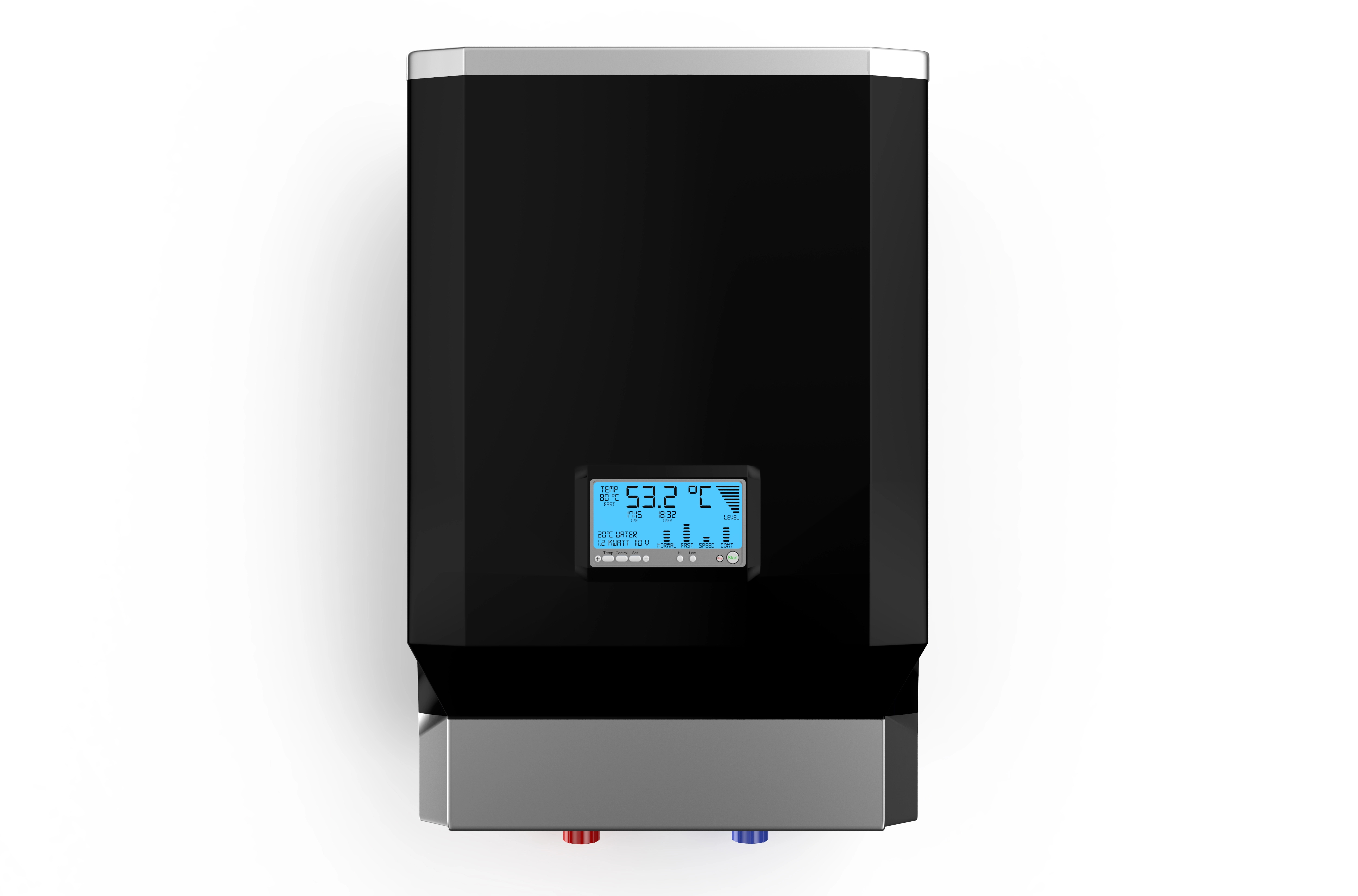
When your water heater starts leaking significantly, you’re facing both water damage and the loss of hot water. Small drips might not seem like emergencies, but major leaks can flood your home and indicate your water heater is about to fail completely.
Water heaters typically last 8-12 years, but they can fail suddenly without warning. A major leak often means the tank has corroded through or a fitting has failed. This can release 40-80 gallons of water into your home, depending on your tank size.
If you notice water pooling around your water heater or hear unusual noises like cracking or popping sounds, shut off the power to the unit (and gas if it’s a gas unit) and call for emergency plumbing service.
3. Sewer line backups
Sewer backups are not just inconvenient – they’re health hazards. When sewage backs up into your home, it brings dangerous bacteria and contaminants that can make your family sick. Raw sewage can carry E. coli, hepatitis, and other serious diseases.
Signs of a sewer backup include toilets backing up, water coming up from floor drains, gurgling sounds from multiple drains, and sewage odors throughout your home. These problems often happen during heavy rains when municipal sewer systems get overwhelmed, something that can occur in Denton during Texas thunderstorms.
Never try to clean up sewage yourself. Professional plumbers have the right equipment and training to safely handle these dangerous situations.
4. Gas line leaks near plumbing
If you smell gas near your water heater, gas line, or any plumbing fixture, this is an immediate emergency. Explosions or poisoning from carbon monoxide can result from gas leaks.. Natural gas has a distinctive “rotten egg” smell added to help detect leaks.
Turn off the gas supply if you can safely reach it, evacuate your home, and call the gas company and emergency services from outside. Don’t use light switches, phones, or anything that could create a spark until the leak is fixed and the area is cleared.
Many gas water heaters and other appliances connect to both plumbing and gas systems, so plumbers often handle repairs to these connections.
5. Complete loss of water pressure
When you suddenly lose water pressure throughout your home, it often indicates a serious problem in your main water line. This could be from a break in the line between your home and the street, or a major leak somewhere in your plumbing system.
Complete water loss means you can’t flush toilets, take showers, wash dishes, or perform other basic daily activities. It can also indicate that water is flooding somewhere, possibly under your foundation or in your yard.
Ask your neighbors whether they are having the same issue. If they’re not, the issue is likely with your home’s plumbing system and needs immediate professional attention.
6. Flooding from appliance failures
Washing machines, dishwashers, and ice makers all connect to your plumbing system. When their hoses fail or connections break, they can flood your home quickly. A washing machine can release 600+ gallons per hour if a supply hose bursts.
Appliance floods are particularly dangerous because they often happen when nobody is home to notice right away. By the time you discover the problem, thousands of gallons may have already damaged your floors, walls, and belongings.
If you come home to find appliance flooding, turn off the water supply to that appliance immediately and call for emergency plumbing service.
7. Toilet overflows that won’t stop
While minor toilet clogs are common DIY fixes, toilets that overflow and won’t stop are emergencies. This can happen when the main sewer line is blocked, or when something large gets stuck in the toilet’s trap.
Sewage flooding from toilets poses serious health risks and can damage flooring and subflooring. The water contains harmful bacteria that can make people sick, particularly children and elderly family members.
If plunging doesn’t quickly resolve an overflowing toilet, stop trying and call professional help. Continued attempts to fix it yourself can make the flooding worse.
8. Multiple drain backups
When several drains in your home back up at the same time, this usually means a blockage in your main sewer line. Unlike single-drain clogs, main line blockages affect your entire plumbing system and can cause sewage to back up through floor drains, tubs, and sinks.
Tree roots are a common cause of main sewer line blockages in Texas, where many large trees grow close to homes. Roots seek out water and can infiltrate sewer lines through small cracks, then grow large enough to completely block the pipe.
This type of backup requires professional equipment like sewer cameras and high-pressure water jetting to diagnose and fix properly.
9. Frozen pipes in winter
Texas weather can be unpredictable, and Denton sometimes experiences freezing temperatures that can cause pipes to freeze. Frozen pipes often burst when they thaw, causing major flooding.
Signs of frozen pipes include no water coming from faucets, frost on exposed pipes, and unusual sounds when you turn on faucets. If you suspect frozen pipes, don’t try to thaw them yourself with heat guns or torches – this can cause pipes to burst or start fires.
Professional plumbers have safe methods to thaw frozen pipes and can check for damage that might cause problems when temperatures rise again.
10. Water heater gas venting problems
Gas water heaters need proper venting to prevent carbon monoxide from building up in your home. If the vent becomes blocked or damaged, deadly carbon monoxide gas can accumulate instead of being safely vented outside.
Signs of venting problems include a yellow flame instead of blue on gas appliances, soot around the water heater, and symptoms like headaches or dizziness that improve when you leave the house.
Carbon monoxide is odorless and can be fatal, making this type of emergency particularly dangerous. If you suspect venting problems, turn off the gas to your water heater and call for immediate professional service.
Frequently Asked Questions
- What should I do first when I discover a plumbing emergency?
Turn off the water supply to stop flooding, then call a professional plumber immediately. For gas leaks, evacuate your home and call emergency services. Don’t attempt DIY repairs on emergency situations, as this can make problems worse and potentially dangerous.
- How can I tell if a plumbing problem is an emergency or can wait?
If water is flooding your home, sewage is backing up, you smell gas, or you have no water at all, these are emergencies. Problems that affect your family’s health, safety, or ability to use basic plumbing facilities need immediate attention.
- Are plumbing emergencies more common in winter or summer?
Both seasons bring different challenges. Winter causes frozen and burst pipes, while summer heat can stress water heaters and increase appliance usage. Storm seasons can cause sewer backups from heavy rains overwhelming municipal systems.
- How much do emergency plumbing calls typically cost?
Emergency plumbing costs vary depending on the problem and time of day. However, emergency repairs are always less expensive than letting problems cause major water damage. Many plumbers offer upfront pricing so you know costs before work begins.
- Can I prevent plumbing emergencies?
Regular maintenance helps prevent many emergencies. Have your plumbing system inspected annually, know where your water shut-off valves are located, and address small problems before they become big ones. However, some emergencies happen regardless of maintenance due to age, weather, or unexpected failures.