Living in Denton County means enjoying beautiful Texas weather most of the year, but it also means preparing for those intense rainstorms that can pop up with little warning. The heavy rain season can turn your peaceful home into a stress-filled situation if you’re not ready for it. With flooding causing an average of $3.5 billion in property damage across the United States each year, protecting your home isn’t just smart—it’s necessary.
Your home represents one of your biggest investments, and water damage from flooding can cost anywhere from $5,000 to $70,000 to repair, depending on the severity. Taking the right steps now can save you thousands of dollars and countless headaches during storm season.
Understanding Denton County’s flooding risks
Tree roots, foreign objects, and debris can clog the main sewer line. Tree roots, in particular, are notorious for seeking out water sources and can infiltrate sewer lines through tiny cracks, causing significant blockage over time. When the main line is blocked, wastewater has nowhere to go but back up into the nearest fixtures. Since bathtubs are often lower than sinks or showers, they are more likely to be the first place the sewage backup appears.
Denton County sits in an area where heavy rainfall can happen quickly and intensely. The region experiences an average of 38 inches of rain each year, with spring and fall bringing the most significant storms. Flash flooding is a real concern here, with water levels rising rapidly when storms dump several inches of rain in just a few hours.
Check your gutters and downspouts
Your gutters do more work than most people realize. They catch thousands of gallons of water running off your roof during heavy rain and direct it away from your foundation. When gutters get clogged with leaves, twigs, and debris, water overflows and pours directly down your home’s exterior walls.
Clean your gutters at least twice per year—once in spring and again in fall. If you have large trees near your house, you might need to clean them more often. Look for sagging sections that hold standing water and replace them before the next storm hits.
Many homes have downspouts that dump water right next to the house, which is one of the biggest mistakes homeowners make. This water seeps into your foundation, creating cracks and potentially flooding your basement or crawl space. Downspouts need to extend at least 6 feet away from your foundation.
Grade your yard properly
The ground around your home should slope away from your foundation at a rate of about 6 inches over 10 feet. This grading helps rainwater flow away from your house instead of pooling against it. Many homes have settled over time, creating low spots where water collects.
Walk around your property after a light rain and look for areas where water pools or flows toward your house. You can fix minor grading issues yourself by adding soil and reshaping the ground. For bigger problems, you might need a professional to regrade your yard properly.
Pay special attention to areas around basement window wells, garage doors, and basement entries. These spots are especially vulnerable to water intrusion during heavy storms.
Install a sump pump
If your home has a basement or crawl space, a sump pump can be your best friend during heavy rain. This device sits in a pit below your basement floor and automatically pumps out water that accumulates there. When working properly, a sump pump can remove dozens of gallons per minute, keeping your basement dry even during intense storms.
Consider getting a battery backup system for your sump pump. During severe storms, power outages are common, and that’s exactly when you need your pump working most. A battery backup keeps your pump running even when the electricity goes out.
Maintain your home’s drainage system
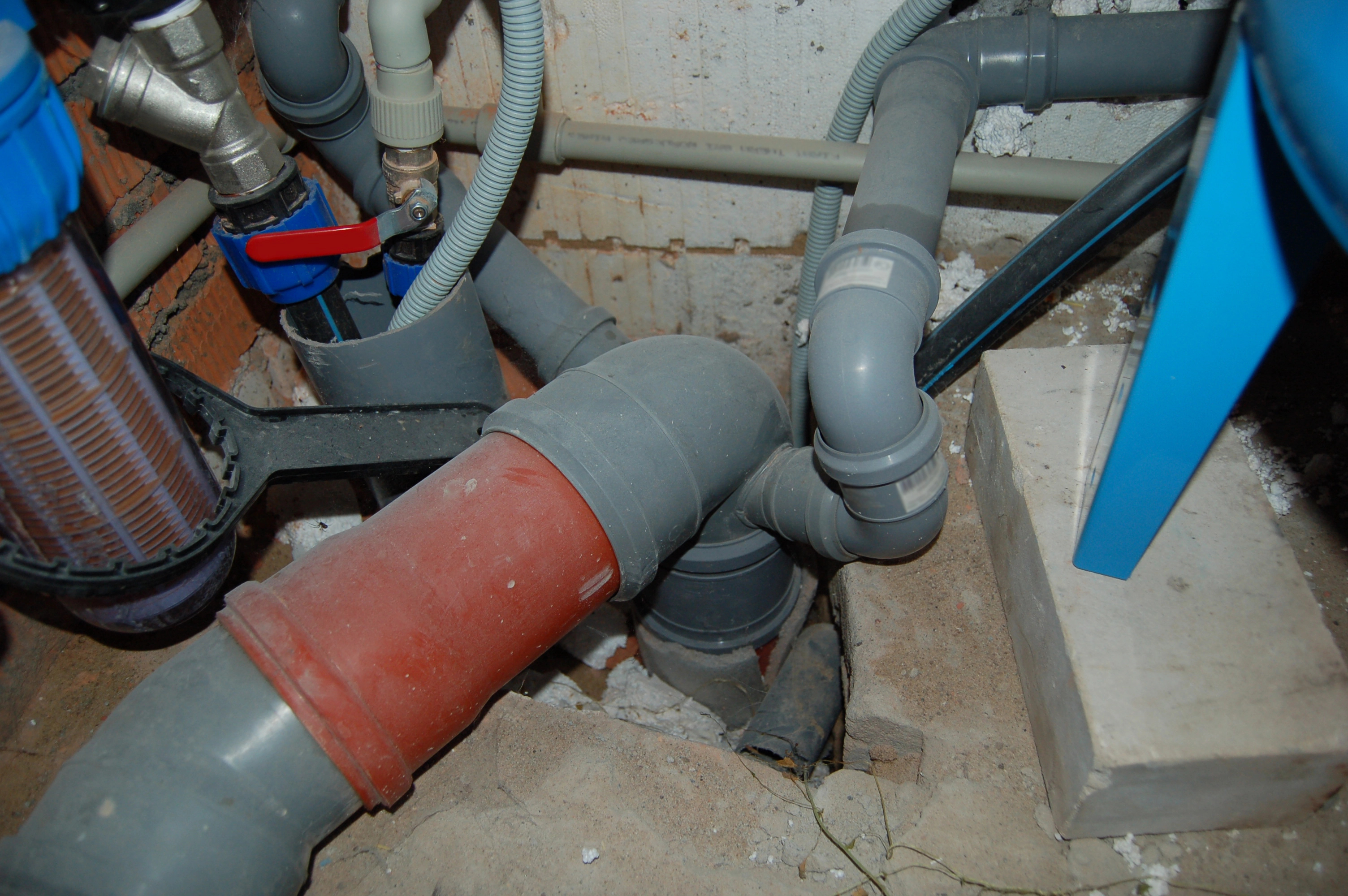
Your home’s drainage system plays a big role in flood prevention. Floor drains in basements, garages, and utility rooms need to stay clear and functional. These drains help water escape quickly if flooding does occur.
Check all visible pipes for signs of corrosion, leaks, or damage. Small leaks turn into big problems during storms when water pressure increases. Replace old washing machine hoses with braided steel versions that won’t burst under pressure.
Know where your main water shut-off valve is located and make sure everyone in your family knows how to use it. If flooding causes problems with your home’s water system, shutting off the water quickly can prevent more damage.
Seal your foundation
Cracks in your foundation let water pour into your basement or crawl space during heavy rain. Even hairline cracks can allow significant water intrusion when storms dump several inches of rain in a short time.
Inspect your foundation at least once per year, looking for cracks both inside and outside your home. Small cracks can be sealed with hydraulic cement or epoxy injection systems. Larger cracks or ongoing foundation issues need professional assessment and repair.
Apply waterproof sealant to your foundation walls. This creates a barrier against water intrusion and helps prevent moisture problems that can lead to mold growth.
Maintain your landscape strategically
Trees and shrubs can help or hurt your flooding situation. Large trees with extensive root systems help absorb rainwater, but trees planted too close to your house can damage your foundation and plumbing lines.
Remove dead or dying trees that could fall on your home during storms. Trim branches that hang over your roof—they’ll clog your gutters and potentially damage your roof during high winds.
Consider planting water-loving plants in areas where water naturally collects. These plants will soak up excess moisture and make your yard more attractive at the same time.
Test Your drain system before storm season
Don’t wait until a major storm hits to find out your drainage system doesn’t work. Test everything during a dry spell by running water through your gutters and downspouts. Check that water flows away from your foundation as planned.
If you have a sump pump, pour water into the sump pit to make sure the pump activates and operates correctly. Replace the pump if it’s more than 7-10 years old, as these devices don’t last forever.
Frequently Asked Questions
Q: What are the most common signs that my home is at risk for flooding?
A: Look for water pooling near your foundation after rain, cracks in your basement walls or floor, musty smells in your basement or crawl space, and gutters that overflow during storms. If your yard slopes toward your house or you notice water stains on basement walls, these are warning signs that you need to take action to protect your home from flooding.
Q: Should I worry about flooding if my home has never flooded before?
A: Yes, past performance doesn’t guarantee future results when it comes to flooding. Weather patterns change, and development in your area can alter drainage patterns. Your home could also be at risk if previous owners didn’t maintain drainage systems properly.
Q: How do I know if I need professional help or if I can handle flood prevention myself?
A: You can handle simple tasks like cleaning gutters, extending downspouts, and fixing minor grading issues yourself. Call a professional for foundation repairs, installing sump pumps or backwater valves, fixing major drainage problems, or if you notice signs of ongoing water damage.
Q: What should I do first if I’m on a tight budget but need flood protection?
A: Start with the lowest-cost solutions that make the biggest impact. Clean your gutters and extend your downspouts away from your foundation. Check your yard grading and add soil to create a proper slope away from your house. These steps cost very little but prevent many common flooding problems.
Q: How can I tell if my sump pump is working correctly?
A: Pour a bucket of water into your sump pit. The pump should turn on automatically when the water reaches a certain level, then pump the water out and shut off. If the pump doesn’t activate, makes strange noises, or runs continuously, it may need repair or replacement. Test your pump at least twice per year to make sure it’s ready when you need it most.