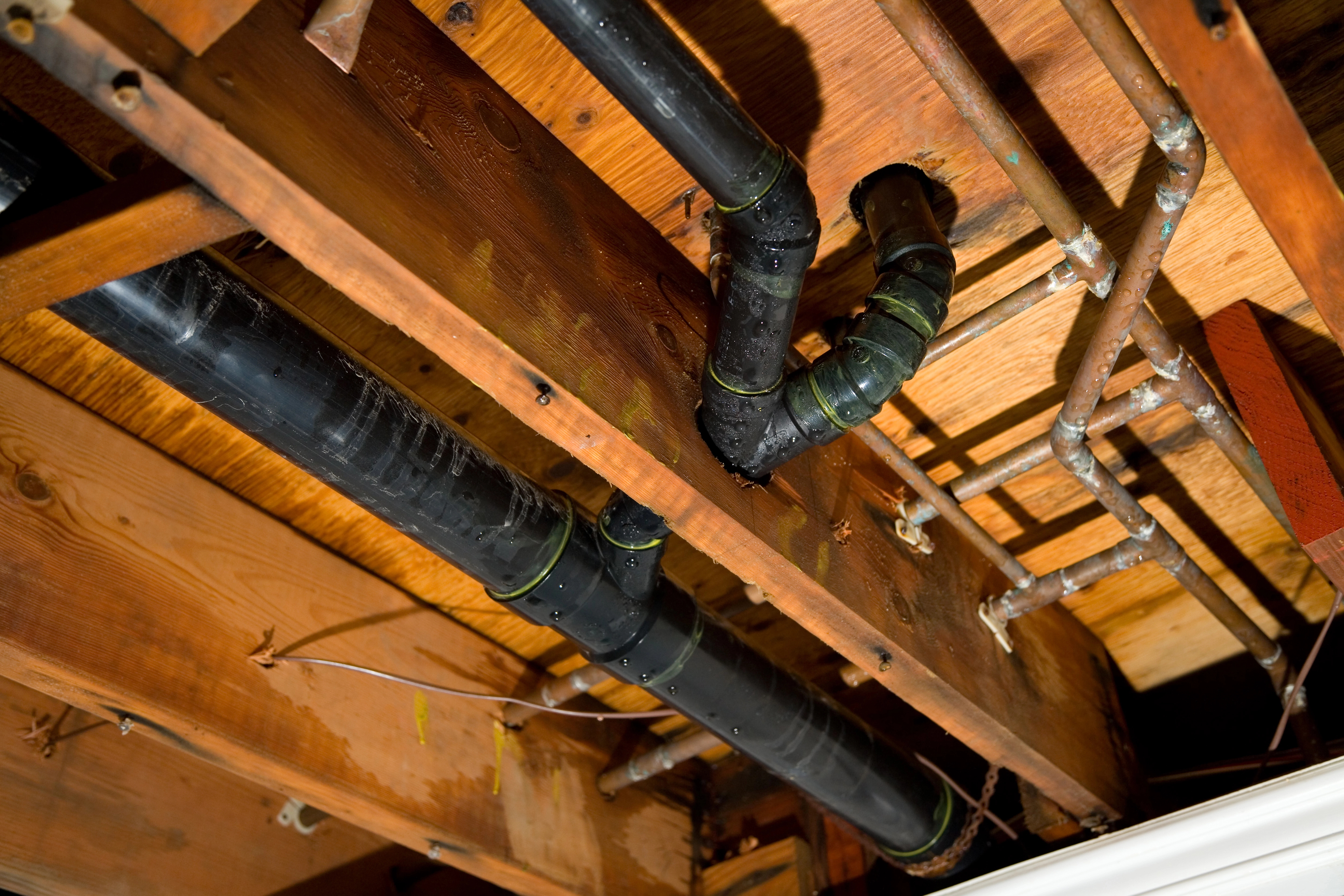
Plumbing systems in Denton, Texas homes must follow local rules that protect health, safety, and property. These rules guide how water enters a home, how waste leaves it, and how plumbing parts get installed or repaired. Many homeowners feel surprised when a repair or remodel triggers a city inspection or permit. Knowing the basics of Denton plumbing codes helps avoid delays, fines, and unsafe conditions.
Denton follows the Texas State Plumbing Code, which is based on the International Plumbing Code, with local amendments set by the City of Denton. These amendments reflect local soil conditions, climate patterns, and infrastructure needs. Homes near downtown Denton, newer developments near Loop 288, and properties close to Lake Lewisville may face different plumbing concerns tied to soil movement and water pressure levels.
Below is a homeowner-friendly breakdown of Denton plumbing rules that matter most.
Why Denton has local plumbing rules
Plumbing codes exist to keep drinking water clean and wastewater contained. Denton’s water supply serves tens of thousands of residents, along with the University of North Texas and Texas Woman’s University. Any cross-connection or backflow issue could affect entire neighborhoods.
North Texas soil contains a high amount of clay. This soil grows when it’s wet and shrinks when it dries out. Pipes that are not installed at the right depth or without proper support may crack or shift. Denton plumbing rules account for this soil behavior to reduce long-term damage.
Seasonal temperature swings play a role as well. Winter freezes, even short ones, can burst exposed pipes. City codes set standards for pipe insulation and burial depth to reduce freeze-related damage.
Permits required for plumbing work in Denton
Many homeowners assume small plumbing jobs never require city approval. In Denton, that assumption can cause problems.
A permit is required for:
- Water heater replacement
- Sewer line repair or replacement
- Adding new plumbing fixtures
- Moving drain or water supply lines
- Remodels that affect plumbing layout
Simple repairs like replacing a faucet or toilet may not require a permit if no pipe changes occur. Any work tied to gas lines connected to water heaters does require city review.
Denton’s Building Inspections Department reviews permit applications. Inspections usually happen after rough-in work and again after final installation. Work completed without permits may lead to fines or forced removal.
Water supply line rules
Approved pipe materials
Denton allows several pipe types for water supply lines:
- Copper
- PEX
- CPVC
Older homes may still contain galvanized steel piping. These pipes corrode over time and often fail pressure tests. When a repair involves replacing a large section of galvanized pipe, the city may require upgrades to modern materials.
PEX piping has become common in Denton homes built after 2010. City rules require PEX lines to remain protected from sunlight and physical damage. Outdoor exposure without shielding violates code.
Water pressure limits
City plumbing rules limit water pressure to a maximum of 80 PSI inside residential homes. If the pressure gets higher than this, it could break your pipes, valves, or appliances.
Many Denton neighborhoods experience higher pressure due to elevation changes. Homes with readings above 80 PSI must have a pressure-reducing valve installed. Inspectors often check pressure levels during permit reviews.
Drainage and sewer line standards
Proper pipe slope
Drain pipes must slope correctly to move waste without backups. Denton follows standard slope rules:
- Pipes under 3 inches in diameter need a minimum slope of 1/4 inch per foot
- Larger pipes require at least 1/8 inch per foot
- Incorrect slope causes slow drains and clogs. During inspections, inspectors use levels to verify slope compliance.
Sewer cleanouts
Cleanouts allow access to sewer lines for maintenance and clearing blockages. Denton code requires:
- A cleanout near the home’s foundation
- Additional cleanouts for long sewer runs
- Cleanouts placed above ground or inside approved boxes
Homes without accessible cleanouts often face higher repair costs when sewer problems occur.
Venting rules for plumbing systems
Every drain in a Denton home must connect to a vent system. Vents release sewer gases and keep drains flowing properly.
Vent pipe placement
Vent pipes must extend through the roof and remain a set distance from windows, doors, and air intakes. Denton rules prevent sewer gases from entering living spaces.
Improper vent placement causes:
- Gurgling drains
- Slow drainage
- Sewer odors inside the home
Mechanical vents, such as air admittance valves, may be allowed in limited situations. City approval is required before installation.
Water heater code requirements
Water heaters remain one of the most inspected plumbing items in Denton.
Location and clearance
Water heaters must sit in approved locations with proper clearance:
- Garages require elevation above floor level
- Closets need drain pans with proper discharge piping
- Attics require secondary drain protection
Gas water heaters need combustion air and venting that meets city spacing rules.
Temperature and pressure relief valves
Every water heater must include a temperature and pressure relief valve. The discharge pipe:
- Must point downward
- Cannot be capped
- Must terminate near the floor or outside
Improper discharge piping ranks among the most common code violations found during inspections.
Backflow prevention rules
Backflow devices stop contaminated water from flowing into the public water supply.
Denton requires backflow prevention for:
- Irrigation systems
- Fire sprinkler systems
- Homes with private wells connected to city water
Annual testing may be required for certain devices. Failure to maintain these devices can lead to water service interruption.
Common plumbing code violations in Denton homes
Inspectors in Denton often cite:
- Missing permits
- Improper venting
- Lack of pressure regulators
- Incorrect water heater discharge pipes
- Non-approved pipe materials
Older homes built before current codes may contain legal nonconforming systems. When you modify these systems, you often have to bring them up to date with modern building standards.
Why code compliance protects homeowners
Plumbing work that meets city rules:
- Reduces leak risks
- Protects water quality
- Supports insurance coverage
- Prevents inspection delays during home sales
Many real estate transactions in Denton stall when inspections reveal unpermitted plumbing work. Doing the job right the first time is a lot more affordable than paying to fix mistakes down the road.
Frequently Asked Questions
Q: Do I need a permit to replace a water heater in Denton?
A: Yes. In Denton, replacing any water heater—gas or electric—requires official paperwork and a professional check-up.
Q: Can homeowners perform plumbing work themselves?
A: You can handle the plumbing yourself if it’s your own house, but the city still needs to verify that the work is safe and legal.
Q: Are plumbing inspections required for remodels?
A: Any remodel that shifts the plumbing layout or replaces the water heater must be reviewed and approved by city inspectors.
Q: What happens if plumbing work fails inspection?
A: The inspector issues a correction notice. Repairs must be made before approval. Re-inspection fees may apply.
Q: Does Denton require pressure-reducing valves?
A: Homes with water pressure above 80 PSI must install pressure-reducing valves to meet code.