Slab leaks are one of the most damaging plumbing issues a commercial property can face. Since these leaks happen underneath the foundation, they’re often hidden until they start causing visible and costly damage.
Understanding what slab leaks are, why they occur, and how they affect a commercial space can help building owners and property managers take action early. Timely repairs can save thousands in structural damage and business disruption.
What is a slab leak?
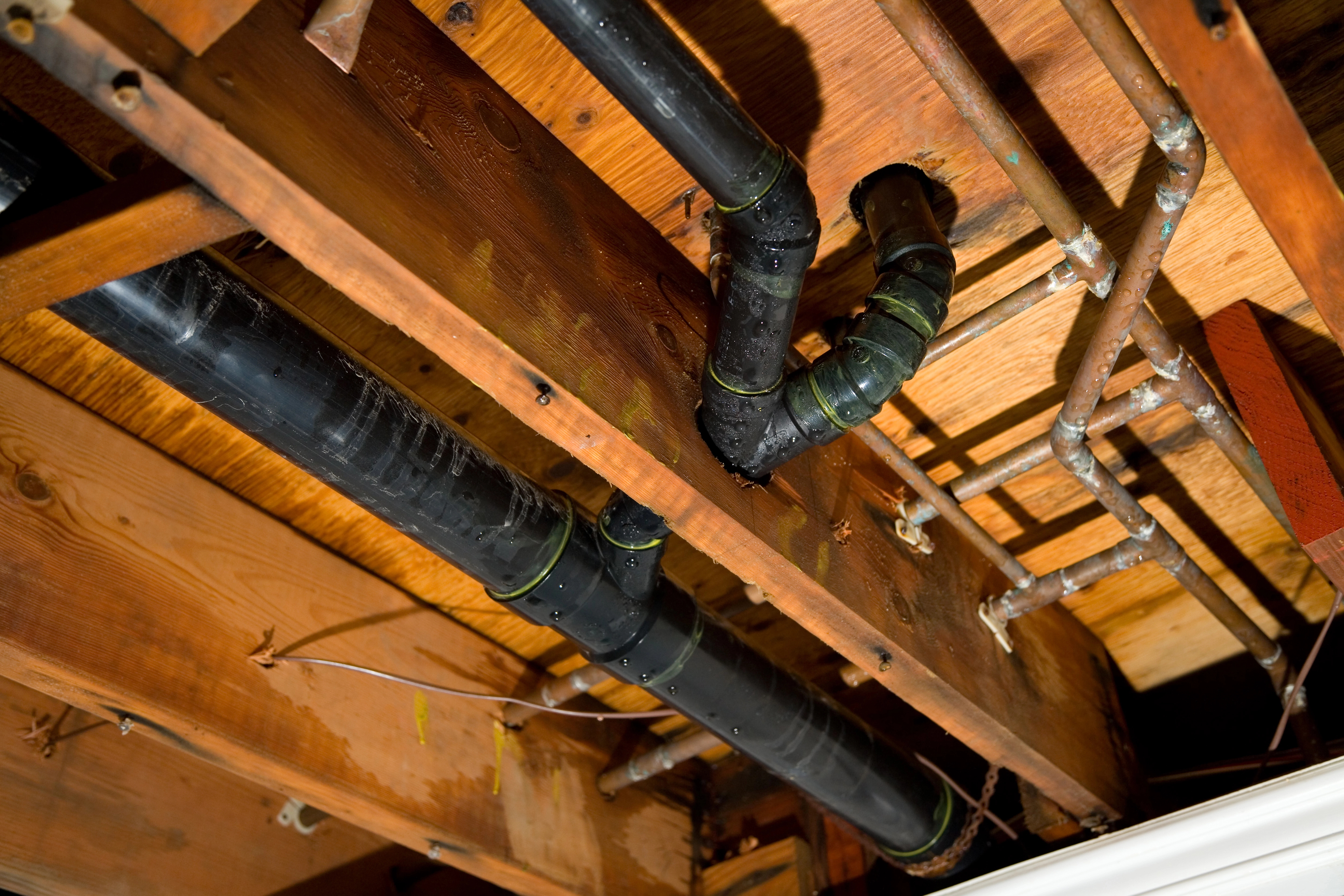
A slab leak happens when water pipes located beneath a building’s concrete foundation start to leak. These pipes may carry either clean water or wastewater, and when they break or develop holes, water begins to seep into the foundation and surrounding soil.
Over time, that moisture can weaken the foundation, damage flooring, promote mold growth, and create other safety issues.
Why do slab leaks happen in commercial buildings?
Several factors can lead to slab leaks in commercial properties. The most common include:
1. Aging pipes
Over time, pipes begin to break down. Older commercial buildings may have plumbing systems made of materials that corrode, rust, or wear out. Even copper, which is considered a durable material, can develop weak points from age or environmental stress.
2. Improper installation
If the plumbing system wasn’t installed with enough care or planning, leaks might occur sooner than expected. Pipes might have been laid directly on rough surfaces without proper padding. Movement over time can wear down the outer walls of the pipe and cause leaks.
3. Soil pressure and shifting
The weight of the building and changes in the soil underneath can put stress on underground pipes. If the soil expands or contracts due to moisture changes, the pipes may shift, crack, or pull apart at the joints.
4. Water pressure issues
High water pressure may seem helpful, but it adds stress to the plumbing system. Over time, this extra pressure can cause small cracks in the pipe walls, leading to leaks under the slab.
5. Thermal expansion
Hot water pipes expand and contract as water temperatures change. In commercial buildings, where hot water is used frequently, this cycle repeats often. The ongoing movement can create pressure points, especially at pipe bends and joints.
Signs of a slab leak
Since slab leaks happen beneath the building, it’s easy to miss them at first. But certain warning signs can help spot a problem before major damage occurs:
- Wet or warm spots on floors
- A noticeable increase in the water bill
- Lower water pressure across the property
- Mold or mildew smells
- Cracks in flooring or walls
- Water pooling around the base of the building
Seeing one or two of these signs might not confirm a slab leak, but if several appear at the same time, it’s smart to call a licensed plumber to investigate.
How slab leaks affect commercial properties
Slab leaks do more than waste water. They can interrupt day-to-day operations and damage a building’s long-term stability. Here are the most common ways a slab leak can impact a business:
1. Operational disruptions
When a leak causes part of a building to be closed for repairs, it may affect normal business operations. Businesses with customers, tenants, or on-site employees can suffer from downtime, relocation costs, or limited access to parts of the property.
2. Structural damage
Water leaking underneath a foundation can weaken the structure over time. As moisture builds up, it softens the soil supporting the slab. This can cause the building to settle unevenly, leading to cracks in walls, floors, and ceilings.
3. Mold and health hazards
When water gathers under a slab, it often leads to mold. Mold growth can cause strong odors, allergic reactions, and respiratory problems. Employees, customers, and tenants may be exposed to unsafe indoor conditions.
4. Increased costs
If a slab leak goes undetected for a long period, the cost of repair multiplies. What could have been a simple pipe patch might turn into a full repipe or major foundation work.
How slab leaks are detected
Finding a slab leak without tearing up the floor used to be difficult. Now, professional plumbers use advanced tools to find leaks with little disruption. Some of these include:
- Acoustic listening devices that detect the sound of leaking water
- Infrared cameras that identify hot or cold spots from leaking water
- Pressure testing to check for drops in pressure in certain pipe sections
- In-pipe video cameras to look directly inside pipes for cracks, breaks, or corrosion
These tools allow plumbing professionals to locate the problem with accuracy and reduce unnecessary digging or damage to floors and walls.
Common methods for repairing slab leaks
Once the location and cause of the leak are known, the best repair method depends on how extensive the problem is. Here are the most common repair approaches:
1. Direct access repair
For small leaks in an isolated spot, a plumber can break through the concrete, repair or replace the pipe, and seal the area again. This is often the fastest and most cost-effective method if the leak is in a manageable location.
2. Pipe rerouting
If the pipe is old or has multiple leaks, rerouting the water line may be a better option. This means abandoning the old line under the slab and running a new pipe through the walls or ceiling.
3. Pipe coating
In some cases, a special coating is applied inside the pipe to seal the leak. This is often done for pipes that can’t be accessed easily or where floor disruption needs to be minimized.
Each situation is different, so the repair choice will depend on the condition of the existing plumbing, the material of the pipes, and the location of the leak.
FAQs
- What causes a slab leak in commercial buildings?
Slab leaks can be caused by old pipes, high water pressure, soil movement, poor installation, or wear and tear over time.
- How do I know if my property has a slab leak?
You might notice wet floors, rising water bills, reduced water pressure, or cracks in the flooring. A plumbing inspection can confirm the problem.
- Can slab leaks damage the foundation of a building?
Yes. Water leaking under the slab can wash away soil, causing the foundation to sink or crack. This can lead to costly structural repairs.
- What’s the typical timeframe for fixing a slab leak?
Depending on the size and location of the leak, repairs can take anywhere from a few hours to several days.
- Are slab leak repairs disruptive to business operations?
That depends on the repair method. Some leaks can be fixed with little disturbance, while others might require access to parts of the building floor. Many plumbers work to minimize disruptions.