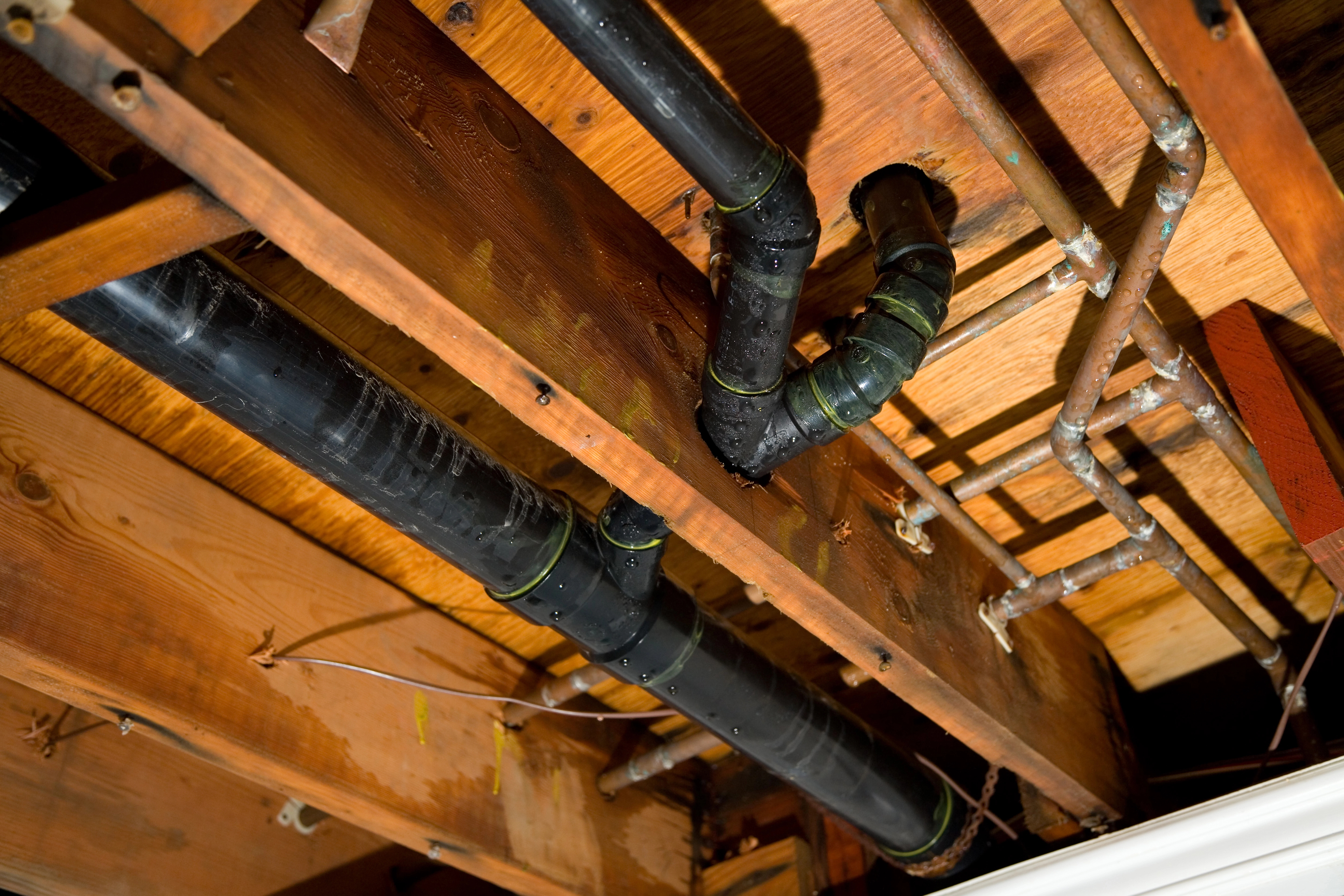
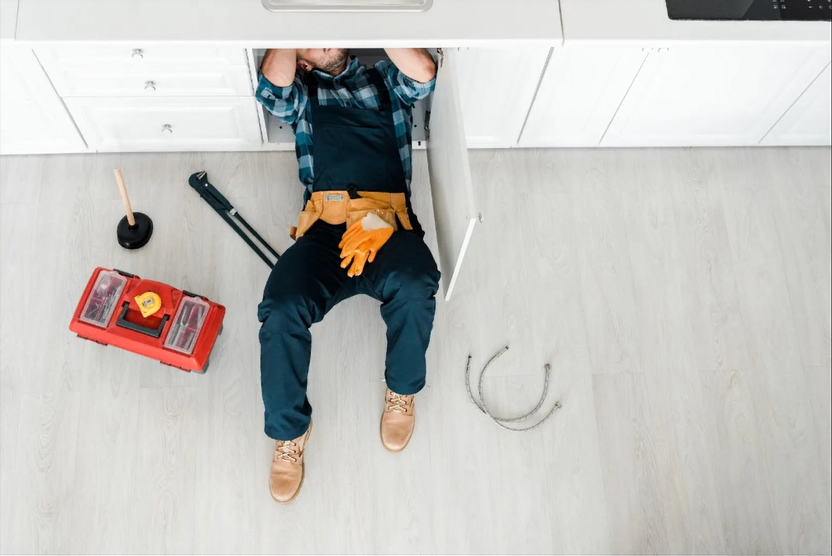
Denton, Texas is experiencing a construction boom that’s reshaping the city’s landscape. Denton’s population has grown by 20.36% since the last census, which found 141,107 residents in 2020, and the city is now expanding at a pace of 3.5% each year. This rapid growth brings opportunities but also places significant pressure on the local plumbing infrastructure that serves homes and businesses throughout the community.
The impact of new construction on plumbing systems goes far beyond just adding more pipes and fixtures. When developers build new neighborhoods and commercial centers, they create a ripple effect that touches every part of the water and sewer network. Understanding these impacts helps homeowners, business owners, and city planners make better decisions about maintaining and upgrading plumbing systems.
Water pressure changes across the network
One of the first things residents notice when large developments go online is changes in water pressure. Water pressure depends on several factors: the elevation of your property, your distance from water treatment facilities, the size of the water mains in your area, and how many people are drawing water at the same time.
New developments often require municipalities to extend water mains to previously undeveloped areas. These extensions can create pressure imbalances, particularly in older parts of town that were originally designed for smaller populations. When a new subdivision connects to an existing water main, it can reduce pressure for nearby homes, especially during peak usage times like morning showers or evening dinner preparation.
Homeowners may notice their showers don’t have the same force they once did, or their washing machines take longer to fill. These aren’t necessarily signs of problems with home plumbing – they often reflect the broader impact of growth on the water system.
Sewer system strain and capacity issues
Sewer systems face even greater challenges from new construction than water systems. Unlike water, which flows downhill with gravity’s help, wastewater must be collected, transported, and treated before being released back into the environment. Adding thousands of new toilets, sinks, and drains to a system puts immediate stress on existing infrastructure.
In Denton, like many growing cities, parts of the sewer system were built decades ago with smaller populations in mind. When developers connect new subdivisions to these older trunk lines, the increased flow can overwhelm the system’s capacity. This leads to several problems that affect existing residents.
Backup issues become more common during heavy rains when both stormwater and sewage compete for space in the same pipes. Older clay and concrete pipes may crack under increased pressure, leading to costly repairs and potential environmental contamination. Treatment plants may struggle to process the higher volumes of wastewater, requiring expensive upgrades.
The result is that existing residents may experience more frequent sewer backups, especially in older neighborhoods. Tree roots that previously caused minor problems in sewer lines can create major blockages when flow volumes increase significantly.
Infrastructure age and replacement needs
Many water and sewer pipes in American cities were installed in the mid-20th century with expected lifespans of 50-75 years. As these systems age, they become more prone to breaks, leaks, and capacity problems. Adding new construction to aging infrastructure is like asking an older car to tow a heavier trailer – it can work for a while, but it accelerates wear and increases the likelihood of breakdowns.
The cost implications are significant. Cities across America are investing heavily in infrastructure upgrades to meet growing demand and replace aging systems.
For homeowners, aging infrastructure means more service interruptions, boil-water notices, and higher utility rates as cities fund necessary upgrades. Smart homeowners in growing areas like Denton often invest in whole-house water filtration systems and backup power for sump pumps to protect against infrastructure-related problems.
Economic impact on plumbing services
The construction boom creates both opportunities and challenges for local plumbing companies. According to the U.S. Bureau of Labor Statistics, employment of plumbers, pipefitters, and steamfitters is projected to grow 4 percent from 2024 to 2034, about as fast as the average for all occupations. About 44,000 openings for plumbers, pipefitters, and steamfitters are projected each year, on average, over the decade.
New construction requires thousands of hours of plumbing installation work. Each home needs water supply lines, drain lines, vent systems, and fixture installations. Commercial buildings require even more complex systems with fire suppression, larger water heaters, and commercial-grade fixtures.
This increased demand affects pricing and availability of plumbing services. During construction booms, homeowners often find it harder to schedule routine maintenance or repair work because plumbers are busy with new construction projects. The competition for skilled labor can drive up costs for all types of plumbing work.
Environmental and sustainability concerns
New construction affects more than just the immediate plumbing infrastructure – it impacts the entire water cycle in the community. More rooftops and paved surfaces mean less water soaks into the ground naturally, increasing stormwater runoff that can overwhelm combined sewer systems.
Many new developments incorporate water-efficient fixtures and landscaping to reduce their impact on local water supplies. Green building practices are becoming more common in new construction, including rainwater harvesting systems, permeable paving materials, and native plant landscaping that requires less irrigation. These approaches help reduce the burden on both water supply and stormwater management systems.
The trend toward sustainability creates opportunities for plumbing professionals who understand eco-friendly systems. Homeowners increasingly want tankless water heaters, low-flow fixtures, and greywater recycling systems that reduce their environmental footprint while saving money on utility bills.
Planning and zoning considerations
Municipal planning plays a role in managing the plumbing impacts of new construction. Well-planned developments include adequate infrastructure upgrades as part of the approval process. This might include requiring developers to pay for water main extensions, sewer capacity improvements, or stormwater management systems.
Zoning decisions also affect plumbing infrastructure. High-density developments like apartment complexes place different demands on systems than single-family neighborhoods. Commercial developments have peak usage patterns that may not align with residential demand, potentially creating more balanced overall system loads.
Smart growth strategies focus on building near existing infrastructure rather than extending services to distant greenfield sites. This approach makes more efficient use of existing plumbing systems while reducing the cost of new infrastructure.
Frequently Asked Questions
- How does new construction in my neighborhood affect my home’s water pressure?
New construction can reduce water pressure in nearby homes, especially during peak usage times. When developers connect new subdivisions to existing water mains, the increased demand can lower pressure for existing customers. If you notice significant pressure changes, contact your water utility to report the issue and consider installing a pressure regulator to maintain consistent pressure in your home. - Why do I experience more sewer backups since new developments were built nearby?
Increased sewage flow from new construction can overwhelm older sewer systems that weren’t designed for current population levels. More flow means higher pressure in the pipes, which can cause backups, especially during heavy rains or in areas with tree root intrusion. Regular drain cleaning and sewer line inspection can help prevent backups in your home. - Should I upgrade my home’s plumbing system because of all the new construction?
Consider upgrades if you’re experiencing frequent pressure problems, slow drains, or aging fixtures. New developments often have modern, efficient plumbing systems, and upgrading your home’s plumbing can improve performance and reliability. Focus on pressure regulators, leak detection systems, and water-efficient fixtures that work well with changing municipal conditions. - How can I protect my property from plumbing problems caused by infrastructure strain?
Install water pressure regulators to manage fluctuating municipal pressure, consider backup sump pumps for basement protection, and maintain your private sewer line regularly. Water treatment systems can also protect against quality issues that sometimes occur when municipal systems are stressed or upgraded. - When should I call a professional plumber versus contacting the city about water or sewer problems?
Contact your plumber for problems isolated to your property, such as low pressure at specific fixtures, slow drains, or leaking pipes. Call the city if multiple neighbors have similar issues, if there’s no water service, or if you suspect sewer problems in the street. A qualified local plumber can help determine whether problems originate from your home’s plumbing or the municipal system.
What causes sewer line damage?
Several factors can contribute to sewer line damage, including tree root intrusion, ground shifting, aging pipes, and clogs caused by non-flushable items.
Can I repair a sewer line myself?
DIY repairs are not recommended for sewer line issues. These problems often require specialized tools and expertise to fix properly and safely.
How much does it cost to repair a sewer line?
The cost varies depending on the extent of the damage and the repair method. Repairs can range from $1,000 for minor fixes to $25,000 or more for major replacements.
How can I prevent sewer line damage?
Preventive measures include avoiding flushing non-degradable items, scheduling routine maintenance, and planting trees away from sewer lines.
How long does a sewer line last?
The lifespan of a sewer line depends on the material. Clay pipes can last 50-60 years, while PVC pipes can last 100 years or more with proper maintenance.